
Cardio Training Exercises in Class Form: Aqua Fitness and Swim-Fit Explained
Some people train alone happily; most of us do cardio best when it’s on a timetable with other humans. Pool-based classes turn cardio training exercises into appointments — aqua aerobics, deep-water workouts and swim-fit squads each deliver a genuine cardiovascular session, at different intensities and swimming-skill requirements. Here’s how the formats compare and how to pick the one you’ll still be attending in a year.
Why Class-Based Cardio Sticks
The research on exercise adherence keeps finding the same boring truth: scheduled, social exercise survives busy lives better than solo intentions. A class has a start time, an instructor who notices absences, and classmates who become the reason you turn up on flat days. Add water — no impact, no overheating in Singapore’s climate — and you have the most sustainable cardio format available to most adults.

The Pool Class Menu
| Class type | Swim skill needed | Intensity | Feels like |
|---|---|---|---|
| Shallow aqua aerobics | None | Light–moderate | Rhythmic group workout, music, low pressure |
| Deep-water aqua (flotation belt) | Water confidence | Moderate–high | Running with zero impact; harder than it looks |
| Swim-fit / adult squad | Continuous 100m+ | Adjustable–high | Structured lap sets with a coach on deck |
| Learn-to-swim class | None | Light | Skill first; cardio arrives as you improve |
The honest note on the last row: a beginner class is not yet a cardio workout, and that’s fine — it’s the gateway. Once you can swim continuously, every other row opens up. If you’re at that stage, start with choosing the right swimming class.
Who Each Format Suits
Beyond swimming skill, the format you’ll stick to depends on what you want out of the session and how much you enjoy structured group dynamics.
Shallow aqua aerobics suits adults returning to exercise after a long gap, anyone managing joint pain or arthritis, older adults, and pregnant women who have clearance for moderate exercise. The water provides genuine resistance without loading the skeleton, and the group format makes it sociable rather than medically clinical.
Deep-water aqua suits people who already have a decent base of fitness and want a harder workout without high-impact movement. Former runners nursing knee injuries use this format regularly. The belt keeps you afloat; all the work comes from driving water with the legs and core rather than any swimming skill.
Swim-fit squads suit swimmers who can already cover 200 metres continuously and want to improve or maintain fitness rather than learn a new skill. The coach sets the session — interval sets, technique sets, endurance sets — which removes decision fatigue and keeps the training progressing.
Picking Your Class: 5 Steps
- Match the format to your current skill, not your ambition. Non-swimmers belong in shallow aqua or learn-to-swim; belt-assisted deep water needs basic composure; squads need laps.
- Trial one session before committing to a term. Instructor energy and class culture vary more than the format name suggests.
- Check the intensity is adjustable. Good instructors offer harder and easier versions of each move — ask whether they do.
- Pick the time you can defend weekly. The best class is the one that survives your calendar.
- Pair two formats if you’re keen. A swim-fit session plus an aqua class covers intensity and recovery in one week.
Getting a Real Workout in a Group
Class cardio has one trap: the water hides effort. Nobody can see whether you’re pushing, so intensity is on you. Work to breathing — you should be able to speak short phrases, not full paragraphs — use the harder options when offered, and in deep-water classes drive the movement from the trunk rather than paddling along. Heart-rate watches under-read in water; go by feel.
Common Mistakes
- Dismissing aqua classes by their reputation. A brisk deep-water session challenges genuinely fit people. Judge after attending one, not from the pool deck.
- Coasting in the back row. The class provides structure; you still provide the effort.
- Joining a squad before you can swim the warm-up. If 200 metres continuous is a stretch, take a term of lessons first — squads assume it.
- Same class, same effort, for years. Bodies adapt. Move up a level, add a format, or ask the instructor for progressions.
- Skipping the cool-down. The last five easy minutes are part of the session, not optional credits.

Safety Notes
New to exercise, over 40, pregnant, or managing heart, blood-pressure or joint conditions? Get medical clearance first and tell the instructor — aqua formats adapt well, but only if they know. Stop for chest discomfort, dizziness or unusual breathlessness, even mid-class. Stay hydrated: you sweat in water without noticing. And no class should ever include breath-holding contests or underwater distance dares — shallow water blackout is a silent risk that group bravado makes worse. Class timetables at public pools are on ActiveSG.
Finding Classes in Singapore
ActiveSG pools across Singapore run aqua aerobics, water jogging, and swim-fit squads with published timetables. Community clubs and private clubs run their own formats, usually on a term basis. For lessons and personalised sessions at your condominium pool, Swimming Classes SG covers private, condo-based, kids’, adult, ladies-only, and special needs programmes across the island, with certified coaches and flexible scheduling. The team can be reached through the contact page.
The wider sister network covers every corner of swimming in Singapore: Singapore Swimming Lessons, Swimming Near Me, private swimming coaching, Swimming Coach SG, condo pool lessons, Swimming Complex for pool information, Swim Schools International, swimming instructor courses, and inclusive coaching through Special Needs SG.
Frequently Asked Questions
Is aqua aerobics real cardio or just gentle movement?
It’s as real as you make it. Shallow classes at honest effort reach moderate intensity; deep-water formats reach high intensity. The water hides effort, so the ceiling is set by you.
How many pool classes a week do I need?
Two to three sessions weekly delivers steady cardiovascular improvement for most adults. One is maintenance; more is fine if recovery keeps up.
Can I do pool cardio classes if I can’t swim?
Yes — shallow aqua aerobics requires no swimming at all, and it’s a common on-ramp. Many participants quietly book swimming lessons alongside and graduate to deep-water formats within months.
Which burns more energy: a swim-fit class or aqua aerobics?
A coached lap session generally works harder minute for minute, but a vigorous deep-water class narrows the gap considerably. Attendance over months matters far more than the per-class difference.
Are pool classes suitable for seniors?
Exceptionally so — many pools run dedicated senior aqua sessions, and the format handles joints, balance and heat gently while still training the heart.
Why does my fitness watch show a low heart rate in class?
Water cooling and the immersed position genuinely lower heart rate at a given effort, and wrist sensors also misread in water. Judge by breathing and how the session felt.
The Bottom Line
If discipline is the missing ingredient in your cardio, stop buying training plans and buy a class pass. Pick the format that matches your skill today, turn up twice a week, and let the timetable do the willpower. For most adults in Singapore, two weekly pool sessions comfortably hits the Health Promotion Board’s recommendation of 150 minutes of moderate activity — without the impact, the overheating, or the social isolation of training alone.


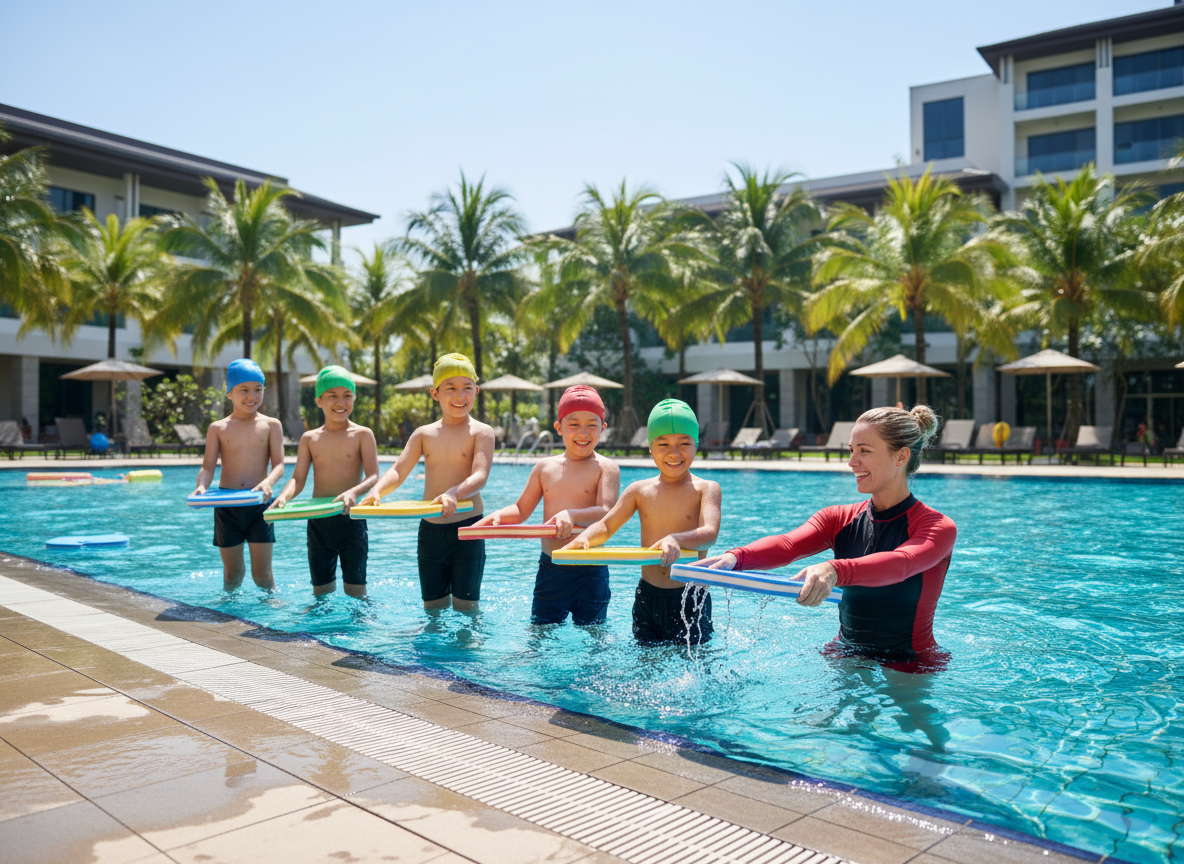

[…] keep your cardio and strength elsewhere until your swimming can carry a workout — our guide to pool cardio class formats covers that […]